Advanced Russian Language and Area Studies Program (RLASP)

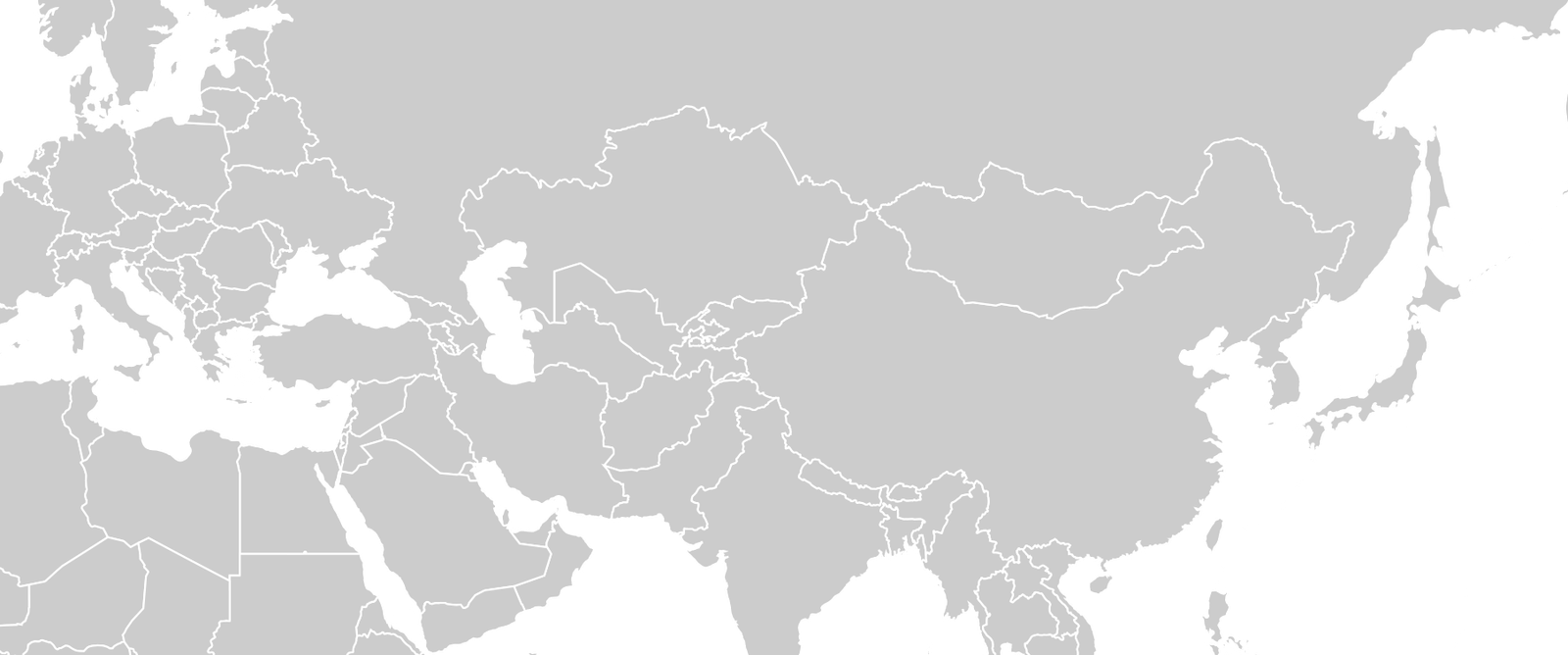
Learn Russian in Armenia, Estonia, and Kazakhstan

About The Program

The Russian Language and Area Studies Program (RLASP) is a language-intensive, immersion-based program designed to help participants rapidly advance their Russian proficiency while living and studying in dynamic host cities across Eurasia.

Hosted by leading universities in Almaty (Kazakhstan), Tallinn (Estonia), and Yerevan (Armenia), the program includes approximately 20 hours per week of intensive, in-class Russian language instruction focusing on grammar, phonetics, conversation, and cultural studies. Participants may join for a semester, summer, or full academic year.

In addition to Russian language coursework, students may choose supplementary history and culture classes of their host country or enroll in Armenian, Estonian, or Kazakh language courses. RLASP welcomes undergraduate and graduate students as well as working professionals seeking intensive language training.

Program features include homestays, weekly excursions, regional travel, conversation partners, and opportunities to volunteer and engage with local communities in a Russian-language context. All instruction is conducted by experienced faculty, and academic credit is issued through Bryn Mawr College for Russian language study.

Locations and Host Institutions

Choose to study at one of our three program sites in vibrant, critical regions across Eurasia. We partner with world-leading universities and institutions in Armenia, Estonia, and Kazakhstan to ensure a premier academic experience and diverse cultural learning.

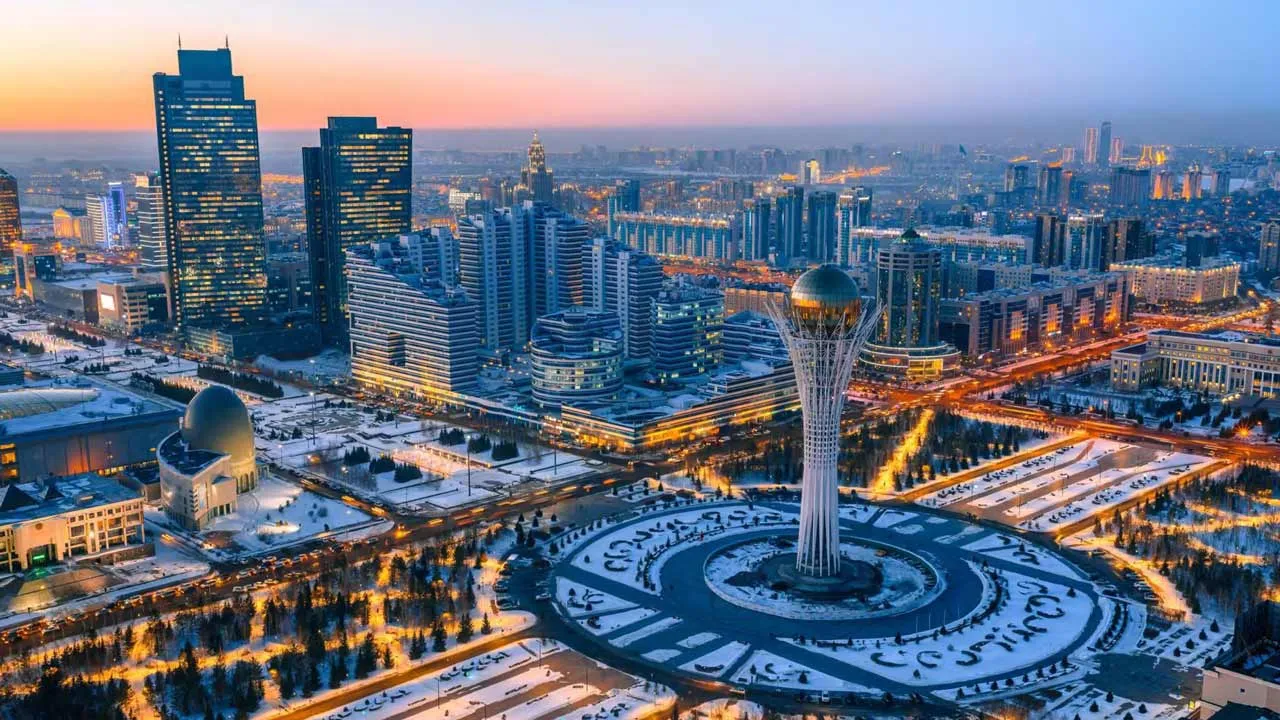
Almaty, Kazakhstan

Al-Farabi Kazakh National University (KazNU)

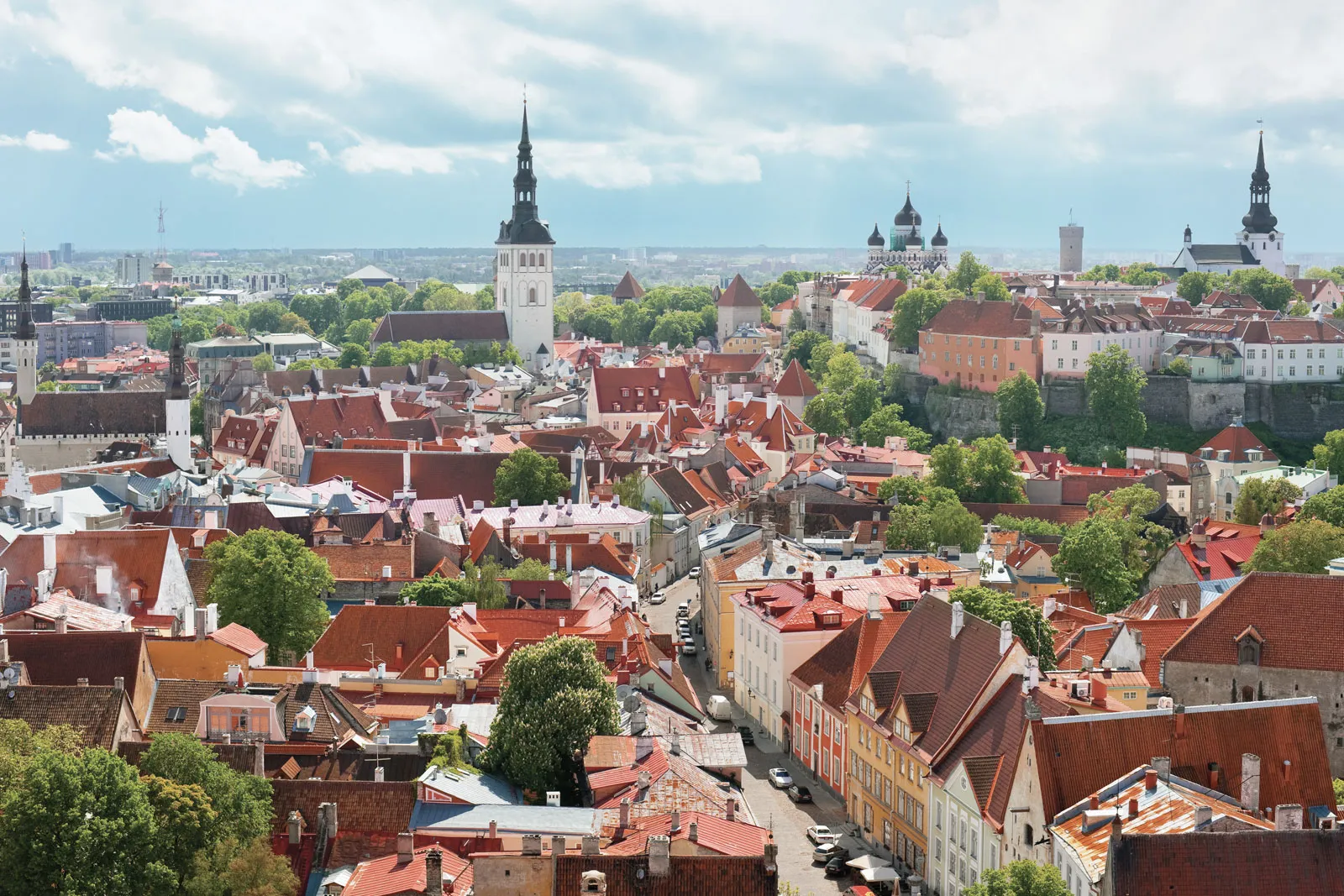
Tallinn, Estonia

Tallinn University

Yerevan, Armenia

Yerevan State University

Academics and Courses

RLASP is designed to provide intensive, immersion-based instruction in Russian while also providing unique opportunities to explore the language, history and culture of Armenia, Estonia, or Kazakhstan. The program features approximately twenty hours per week of in-class instruction. Students are placed according to proficiency level in groups of four-to-six for language classes. Course work typically includes phonetics, grammar, and conversation, as well as composition, oral comprehension, and reading. Language courses also cover topics in literature, history, politics, culture, mass media, and area studies. Academic year and semester students may audit classes at their host university.

Academic year participants with advanced Russian skills may substitute an independent research project for one of the American Councils area studies courses while continuing their language classes during the second semester. Research projects culminate in a 15- to 20-page research paper written in Russian.

Participants receive academic credit through Bryn Mawr College, an institutional partner of American Councils. Upon successful completion of the program, Bryn Mawr College issues:

Summer: 8 undergraduate or 10 graduate credit hours

Semester: 16 undergraduate or 15 graduate credit hours

Academic Year: 32 undergraduate or 30 graduate credit hours

Conversation Partners

To aid cultural integration and support academic learning, participants have the opportunity to meet with conversation partners for two hours per week. Conversation partners introduce participants to local people, accompany participants on sightseeing tours, organize cultural activities (cinema, museum, etc.), and provide students with academic support. The conversation partners are expected to speak only the target language to provide extra language immersion.

Volunteer Opportunities

Upon arrival in the host country, American Councils staff can arrange volunteering or community service placements for academic year and semester RLASP participants. Volunteering placements depend significantly on the participant’s Russian-proficiency level and the needs of the organization. Volunteer opportunities are unpaid and non-credit bearing.

Excursions & Cultural Activities

One day a week of the academic program is set aside for travel to local sites of social, cultural and historical significance. All excursions are conducted in Russian and include sites such as museums, churches, schools, research centers, theatres, and historical estates. Towards the middle of the semester, resident directors arrange extended regional field studies trips outside of the host city. For summer participants, these regional field studies take place at the end of their program.

Historical Landmarks

Visit museums, monuments, and heritage sites to explore local history deeply.

Cultural Immersion

Experience daily traditions through festivals, performances, and authentic community interactions.

Educational Visits

Tour universities, research centers, and schools to understand academic environments abroad.

Regional Trips

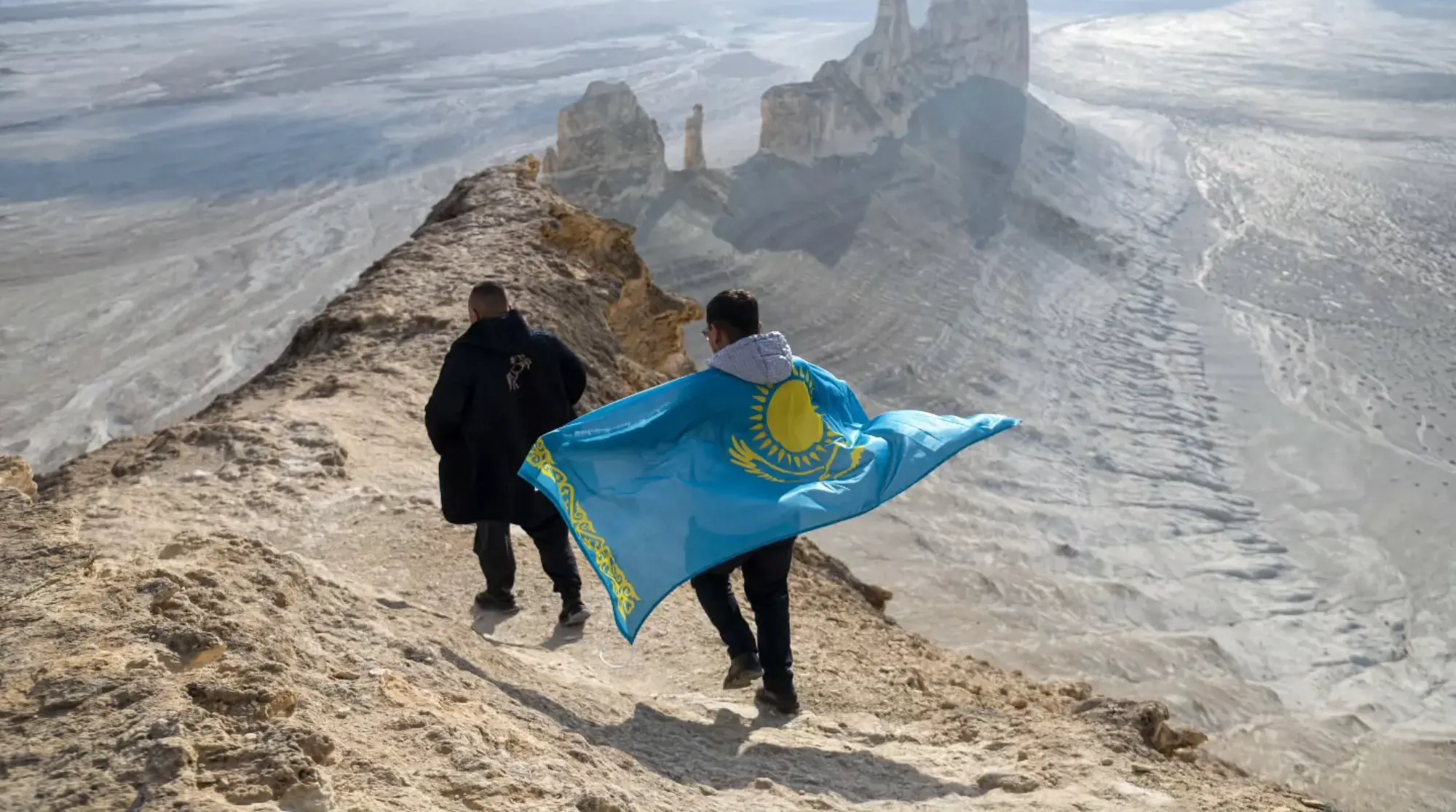
Travel beyond host cities to discover unique regional landscapes and culture.

Housing and Meals

Program participants live with local, Russian-speaking host families.

Living with a host family provides valuable cultural experience to complement the academic program. Host families expose participants to authentic, everyday life in the host country while also providing a supportive environment for students to practice their growing language skills. While staying with a host family, participants are provided with a private room, two meals per day, and keys to the apartment or house. All host families are screened, selected, and monitored by American Councils home-stay coordinators and resident directors.

Financial Aid

Multiple sources of funding are available to support participants in paying for programs abroad. These include:

Key Fellowships and Scholarships

Support Services

All participants must attend a mandatory pre-departure orientation before the program begins. Sessions cover health and safety, academic culture, host-family life, culture shock, and strategies for maximizing language learning. Students meet resident directors, peers, and alumni, with lodging and meals provided. Upon arrival, participants attend an in-country orientation led by program staff.